
4th July 2019
We live in a consumerist society- we are constantly being encouraged to buy the latest thing without any worries about the long-term environmental consequences, leading to a huge amount of waste being produced from every UK household.
By 2020 the government’s aim is to only have 35% of waste going to landfill, which we are on track for, which sounds great right? But at the current amount of waste we produce from households alone, that is still 9,500,000 tonnes per year being dumped into our ground- an astonishing amount! As all this rubbish breaks down, it leaches into our soil and our waterways; causing harmful changes to the planet around us, to all the species of plants and animals and ultimately ourselves.
The good news- house hold recycling has increased as everyone is getting more and more aware of their own personal environmental impact.
“The recycling rate for households has increased overall across the UK to 45.7% in 2017 from 45.2% in 2016. The recycling rate for households has also increased in all UK countries – England is now at 45.2% (up from 44.9% in 2016), Scotland at 43.5% (up from 42.9% in 2016) Northern Ireland at 46.3% (up from 43.3% in 2016), and Wales at 57.6% (up from 57.3% in 2016). ”
https://deframedia.blog.gov.uk/2019/02/15/uk-waste-statistics-published/
So, brilliant- recycling must be the answer?
Unfortunately; no.
The UK used to sell our recycling to China, but now sells to Malaysia where it is rotting on illegal dumpsites and ruining the environment there. The fantastic “war on plastic” documentary on the BBC truly is a must-see.
www.bbc.co.uk/iplayer/episode/m0005xgz/war-on-plastic-with-hugh-and-anita-series-1-episode-1
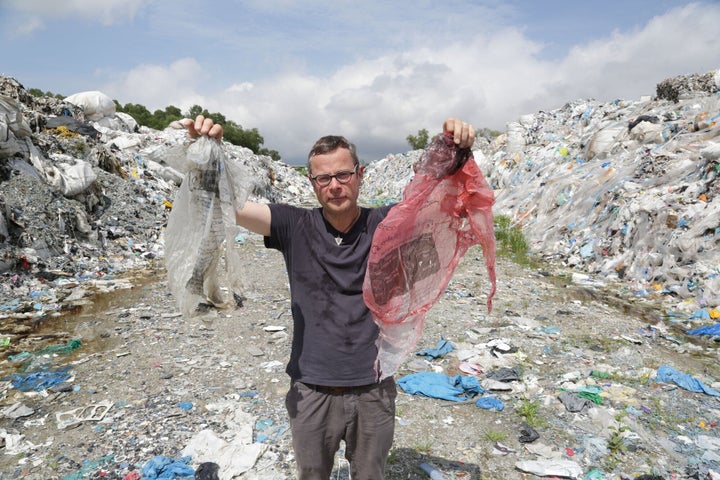
It takes a single piece of plastic 450 years to decompose.
There are 500 times more micro plastic particles in the ocean than there are stars in our galaxy
These are really terrifying facts- so what options do we have as individuals at home?
- Be clever about the products you buy- this will make it easier for yourself when having to deal with the waste, but also will push consumer pressure towards eco-friendly products. The other companies will then have to keep up with the same standards to remain in business- what we buy has a greater effect than we realise.
- Stop buying unnecessary items- ask yourself if you really want or need that piece of plastic in your life?
- Composting- compost any appropriate household waste. This can be used in your garden or locally.
- Reuse items- find other uses for the things you’d normally throw away.
- Recycle- check what your local council can actually recycle and stick to this strictly.
- Eco-bricking- if you have some non-recyclable softer plastics, there are many places collecting eco-bricks for building projects. This reduces the amount of plastic going into the environment. (But remember- it would be better to not have any of this plastic in the first place)
 Sustainable living for a working family